
 當我們愛,我們總是力爭成為比我們好。當我們力爭成為比我們好,我們周圍的一切變得更好。
When we love, we always strive to become better than we are. When we strive to become better than we are, everything around us becomes better too.
Paulo Coelho
Brazilian Author and Lyricist
愛
 他向她求婚時,只說了三個字:相信我;
她為他生下第一個女兒的時候,他對她說:辛苦了;
女兒出嫁那天,他摟著她的肩說: 還有我;
他到她病危的那天,重複的對她說:我在這;
她要走的那一刻,他親吻她的額頭 輕聲說:你等我。
這一生,他沒有對她說過一次“我愛你”,
但愛.......從未離開過。
猴子的傳統
 五隻猴子關在一個籠子裡,籠子上頭有一串香蕉,實驗人員裝了一個自動裝置:若是偵測到有猴子要去拿香蕉,馬上就會有水噴向籠子,這五隻猴子馬上會被淋濕。
首先有隻猴子想去拿香蕉,馬上水噴出來,每隻猴子都淋濕了;每隻猴子都去嘗試了發現都是如此。於是,猴子們達到一個共識:不要去拿香蕉,因為有水會噴出來。
後來實驗人員把其中的一隻猴子換掉,換一隻新猴子(稱為A猴子好了),關到籠子裡,這隻A猴子看到香蕉,馬上想要去拿,結果被其他四隻舊猴子海K了一頓,因為其他四隻猴子認為新猴子會害他們被水淋到,所以制止這新猴子去拿香蕉。這新猴子嘗試了幾次,被打的滿頭包,還是沒有拿到香蕉,當然這五隻猴子就沒有被水噴到。
後來實驗人員再把一隻舊猴子換掉,換另外一隻新猴子(稱為B猴子好了),關到籠子裡,這隻B猴子看到香蕉,當然也是馬上要去拿,結果也是被其他四隻猴子K了一頓,那隻A猴子打的特別用力,(這叫老兵欺負新兵,呵呵!)B猴子試了幾次總是被打的很慘,只好作罷。
後來慢慢的一隻一隻的,所有的舊猴子都換成新猴子了,大家都不敢去動那香蕉,但是他們都不知道為什麼,只知道去動香蕉會被人扁。
這就是「傳統」的由來。 傳統不去反省它,就沒有價值!
乞丐
 一家生意很好的點心店門口來了一個乞丐。他衣衫襤褸,渾身散發著一種怪味,當他畏縮著走到蒸點心的大爐子前時,周圍的客人都皺眉掩鼻,露出嫌惡的神色來。
伙計急忙呵斥乞丐要他滾開。乞丐卻拿出幾張髒乎乎的小面額鈔票,說:“今天我不是來乞討的,我聽說這裡的點心好吃,我也想嘗嘗。我已經想了好久了,好不容易才湊到這些錢。”
店老闆目睹這一幕,他走上前十分恭敬地將兩個熱氣騰騰的點心遞給乞丐,並深深地向他鞠了一躬,說:“多謝關照,歡迎再次光臨!”
在這之前,無論多麼尊貴的客人來買點心,店老闆都交給伙計們招呼;可今天他卻親自招呼客人,對他畢恭畢敬,而這個客人卻是一個乞丐!
店老闆解釋說:“那些常來光顧我們店的顧客,當然應受到歡迎,但他們都是有錢人,買幾個點心對他們而言,是一件很容易也很平常的事.
今天來的這位客人雖然是位乞丐,卻與眾不同,他為了品嘗我們的點心,不惜花去很長時間討得的一點點錢,實在是難得之至,我不親自為他服務怎麼對得起他的這份厚愛?”
"既然如此,為什麼要收他的錢呢?”旁邊的孫子不解地問。
老闆笑笑說:“他今天是作為一個客人來到這裡的,不是來討飯的,我們應當尊重他。如果我不收他的錢,豈不是對他的侮辱?我們一定要記住,要尊重我們的每一個顧客,哪怕他是一個乞丐;因為我們的一切都是顧客給予的。”
這個店老闆就是兩次被《福布斯》評為世界首富的日本大企業家堤義明的爺爺,他對乞丐的鞠躬之舉深深地印在了當時只有十歲的堤義明的腦海裡。後來堤義明曾多次在集團的員工培訓會上講到這個故事,要求員工像他爺爺那樣,尊重每一個顧 客。
可以想像,這裡的“尊重”絕不是社交場合的禮貌,而是來自於人心深處對另一個生命深切的理解、關愛、體諒與敬重,這樣的尊重絕不含有任何功利的色彩,也不受任何身份地位的影響;惟其如此,才最純粹最質樸也最值得回報。
Give love away
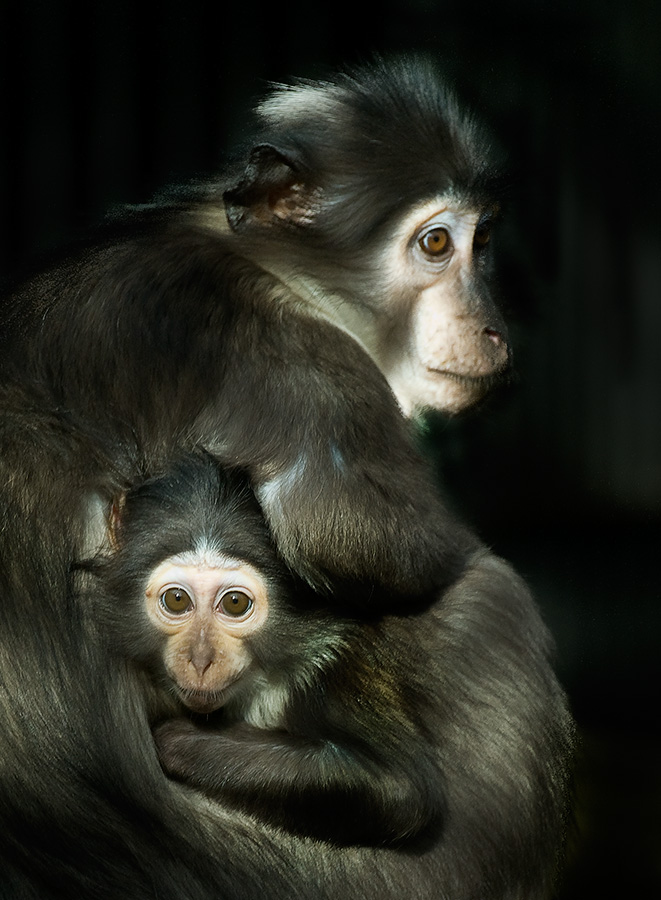 The only way to get love is to be lovable. It's very irritating if you have a lot of money. You'd like to think you could write a check: I'll buy a million dollars' worth of love.' But it doesn't work that way. The more you give love away, the more you get.
Warren Buffett
American Business Magnate and Philanthropist
where we need to grow
 Fear is not
our enemy.
It is merely
a compass
pointing us
to the areas
where we need
to grow.
Steve Pavlina
Motivational Author and Speaker
彼此相愛
 你們開始過基督徒新生活之際,所聽到的訓令就是「彼此相愛」。在舊約救恩史上最初的殺人故事中,加音作惡殺了自己的弟兄亞伯爾,顯示出他的邪惡行為,相對而言,亞伯爾就顯得正義。
基督徒在世界中活出愛來,必然會引起世界的惱恨,因為這份愛激怒了不願意愛的人。為了愛我們的弟兄(姐妹),我們的舊我必須死亡,好讓基督在我內生活(迦 二 20);換言之,那不願意愛的人,他的生命仍處於舊我的死亡中;耶穌基督曾說過惱恨自己的弟兄,就是殺人(瑪五21-22),沒有永生。耶穌基督為了救贖 我們而捨棄自己的生命,是我們最好的模範。誰若有資源,眼見弟兄(姐妹)急難,卻沒有對他伸出實際的救援,就是與基督的愛相違,在他內沒有天主的愛。
孩子們,愛要以行動實行出來,如果這樣做,可認出我們屬於耶穌基督,並且在祂面前可以平安;雖然我們的行動不足,致使良心自責,我們仍可安心,因為天主全然明瞭。若我們的良心不自責,便能在天主面前坦然無懼。
www.ccreadbible.org
Something wonderful
 If you awake every morning with the thought that something wonderful will happen in your life today, you'll often find that you are right.
Nancy Sathre-Vogel
American Mom, Author and Motivational Speaker
Where is God
 Professor : You are a Christian, aren’t you, son?
Student : Yes, sir.
Professor: So, you believe in GOD?
Student : Absolutely, sir.
Professor : Is GOD good ?
Student : Sure.
Professor: Is GOD all powerful ?
Student : Yes.
Professor: My brother died of cancer even though he prayed to GOD to heal him. Most of us would attempt to help others who are ill. But GOD didn’t. How is this GOD good then? Hmm?
(Student was silent.)
Professor: You can’t answer, can you ? Let’s start again, young fella. Is GOD good?
Student : Yes.
Professor: Is satan good ?
Student : No.
Professor: Where does satan come from ?
Student : From … GOD …
Professor: That’s right. Tell me son, is there evil in this world?
Student : Yes.
Professor: Evil is everywhere, isn’t it ? And GOD did make everything. Correct?
Student :Yes
Professor: So who created evil?
(Student did not answer.)
Professor: Is there sickness? Immorality? Hatred? Ugliness? All these terrible things exist in the world, don’t they?
Student : Yes, sir.
Professor: So, who created them ?
(Student had no answer.)
Professor: Science says you have 5 Senses you use to identify and observe the world around you. Tell me, son, have you ever seen GOD?
Student : No, sir.
Professor: Tell us if you have ever heard your GOD?
Student : No , sir.
Professor: Have you ever felt your GOD, tasted your GOD, smell your GOD? Have you ever had any sensory perception of GOD for that matter?
Student : No, sir. I’m afraid I haven’t.
Professor: Yet you still believe in Him?
Student : Yes.
Professor : According to Empirical, Testable, Demonstrable Protocol, Science says your GOD doesn’t exist. What do you say to that, son?
Student : Nothing. I only have my faith.
Professor: Yes, faith. And that is the problem Science has.
Student : Professor, is there such a thing as heat?
Professor: Yes.
Student : And is there such a thing as cold?
Professor: Yes.
Student : No, sir. There isn’t.
(The lecture theatre became very quiet with this turn of events.)
Student : Sir, you can have lots of heat, even more heat, superheat, mega heat, white heat, a little heat or no heat. But we don’t have anything called cold. We can hit 458 degrees below zero which is no heat, but we can’t go any further after that. There is no such thing as cold. Cold is only a word we use to describe the absence of heat. We cannot measure cold. Heat is energy. Cold is not the opposite of heat, sir, just the absence of it.
(There was pin-drop silence in the lecture theater.)
Student : What about darkness, Professor? Is there such a thing as darkness?
Professor: Yes. What is night if there isn’t darkness?
Student : You’re wrong again, sir. Darkness is the absence of something. You can have low light, normal light, bright light, flashing light. But if you have no light constantly, you have nothing and its called darkness, isn’t it? In reality, darkness isn’t. If it is, were you would be able to make darkness darker, wouldn’t you?
Professor: So what is the point you are making, young man ?
Student : Sir, my point is your philosophical premise is flawed.
Professor: Flawed ? Can you explain how?
Student : Sir, you are working on the premise of duality. You argue there is life and then there is death, a good GOD and a bad GOD. You are viewing the concept of GOD as something finite, something we can measure. Sir, Science can’t even explain a thought. It uses electricity and magnetism, but has never seen, much less fully understood either one. To view death as the opposite of life is to be ignorant of the fact that death cannot exist as a substantive thing.
Death is not the opposite of life: just the absence of it. Now tell me, Professor, do you teach your students that they evolved from a monkey?
Professor: If you are referring to the natural evolutionary process, yes, of course, I do.
Student : Have you ever observed evolution with your own eyes, sir?
(The Professor shook his head with a smile, beginning to realize where the argument was going.)
Student : Since no one has ever observed the process of evolution at work and cannot even prove that this process is an on-going endeavor. Are you not teaching your opinion, sir? Are you not a scientist but a preacher?
(The class was in uproar.)
Student : Is there anyone in the class who has ever seen the Professor’s brain?
(The class broke out into laughter. )
Student : Is there anyone here who has ever heard the Professor’s brain, felt it, touched or smelt it? No one appears to have done so. So, according to the established Rules of Empirical, Stable, Demonstrable Protocol, Science says that you have no brain, sir. With all due respect, sir, how do we then trust your lectures, sir?
(The room was silent. The Professor stared at the student, his face unfathomable.)
Professor: I guess you’ll have to take them on faith, son.
Student : That is it sir … Exactly ! The link between man & GOD is FAITH. That is all that keeps things alive and moving.
聖誕晚會
 某家公司有一個傳統,每年聖誕夜都會舉辦晚會,並舉行抽獎。抽獎的規矩是這樣的:每個員工都會繳交十元美金做為基金,全公司共有三百人,換句話說共能募集到三千美金,而被抽中的幸運兒,就可以將這些錢全抱回家。
抽獎當天,辦公室洋溢著熱鬧的氣氛,每個人紛紛在紙條上寫下自己的名字,投進抽獎箱中。但是,一個年輕男子下筆時卻猶豫了。因為他想到,公司的清潔阿姨體弱多病的兒子最近要開刀,但她卻沒有錢支付手術費用,讓她非常煩惱。
於是,儘管知道抽中的機會渺茫,只有三百分之一的機會,但男子還是在紙條上,寫下了那名清潔工的名字。
緊張的時刻來臨了,老闆在抽獎箱中翻攪了一番,最後抽出一張紙條,而男子也在心中不斷地禱告:「希望清潔阿姨可以得獎……」
接著,老闆慎重宣布得獎人的名字……奇蹟發生了!中獎的竟然真的是那位清潔工!
辦公室爆出歡呼聲,清潔阿姨連忙上台領獎,幾乎喜極而泣的她,感動地說:「我真是幸運!有了這一筆錢,我兒子就有希望了!」
晚會開始,男子一面想著這個「聖誕奇蹟」,一面踱步到抽獎箱旁。他順手摸出一張紙條,漫不經心地打開一看,上面寫的,竟然也是清潔阿姨的名字!男子非常吃驚,接連又抽出好幾張紙條,上面的字跡雖然不一樣,但寫的名字全都相同──都是那清潔阿姨的名字!
男子紅了眼眶。他赫然明白,世界上真的有聖誕節的奇蹟,只不過,奇蹟不會從天上掉下來,而要人們自己去創造。
當我們陷於低潮的時候,都希望有奇蹟降臨在我們身上;但當我們有能力的時候,是否願意去做那個創造奇蹟的人呢?
Author unknown
greatly appreciated